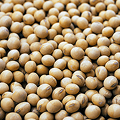
In Defense of the Bean: Why Natural Cocoa Is More Than a Commodity
UncategorizedMay 24, 20267 min read
Listen To Article7 min
Innovation is a beautiful phenomenon, and it has been the core driver of the growth of technology and all the beautiful things we get to enjoy now. Yet there are moments when innovation invites closer scrutiny. The growing interest in synthesizing cocoa, or producing cocoa replicas in laboratories, is one such case.
Laboratories across Europe and the Americas are promising to deliver chocolate without farms in the next few years But that should make you wonder who would bear the cost when millions of smallholder farmers across Africa and Southern America lose their buyers?
The narrative is enticing. Lab‑grown cocoa offers efficiency, consistent yields, controlled inputs, no weather volatility, no middlemen, no complications. For stakeholders fixated on cost reduction and supply chain linearization, the bioreactor presents an irresistible solution: chocolate’s future without cocoa’s messiness.
Yet this vision obscures a deeper economic reality that should concern every thoughtful investor and market participant: natural cocoa is not a legacy product awaiting disruption; it is a living social infrastructure, an ecological asset, a pharmaceutical-grade ingredient and a premium origin story that no bioreactor can replicate.
The Economics of Displacement
Let us be clear about what lab‑grown cocoa actually displaces. It does not displace inefficiency; it displaces people. According to Fairtrade, cocoa farming is the backbone of rural economies across West Africa, Latin America, and Asia. It provides income for an estimated 5–6 million smallholder farmers whose livelihoods have been built around cocoa production.
These are not corporate operations awaiting automation; they are family enterprises integrated into rural economies, food security systems, and social structures that Western supply chain models often fail to see.
The displacement scenario is not speculative. If lab‑grown cocoa gains widespread acceptance and reaches price parity, cost‑driven buyers are likely to shift volumes. Spot prices may fall sharply. For millions of African farmers, this would not be disruption; it would be an existential threat to livelihoods.
Yet here is where economic analysis must deepen. The question is not whether lab‑grown cocoa is technically possible; it almost certainly is. The question is whether an industry should accelerate a technology that will cause the most vulnerable participants in its value chain to get the short end of the stick.
Fairtrade has answered this in simple terms:
“Any shift toward lab‑grown alternatives must not make the people who grow our cocoa more vulnerable.” For investors and international partners, this raises uncomfortable questions about social responsibility and long‑term stakeholder value.
What Lab Synthesis Cannot Replicate
Lab‑grown cocoa supporters seek to reduce cocoa to a mere ingredient, a chemical formula to be synthesized, optimized, and commodified. But this framing obscures a fundamental reality: cocoa is more than that.
Cocoa is culture. For millennia, it has held ceremonial and symbolic significance across civilizations. The ancient Greeks called it Theobromia; the food of the gods. Indigenous peoples of Mesoamerica built rituals, trade networks, and social hierarchies around the cacao bean. This is not nostalgia; it is documented history spanning thousands of years. When a bioreactor produces molecules mimicking those in a bean, it produces a chemical. It does not produce this legacy.
Cocoa is heritage. Every origin, Ecuadorian criollo, Madagascar’s red soil cocoa, West African forastero, carries distinct flavor profiles and agricultural traditions accumulated across generations. These are not accidents of chemistry; they are expressions of human knowledge embedded in seed selection, fermentation technique, and land stewardship. This heritage is specific. It cannot be replicated in a vat.
Most critically, cocoa is livelihood. Millions of farmers across West Africa depend on cocoa as their primary path to economic participation, education access, and household stability. For these communities, cocoa farming is woven into the social fabric, food security, and economic dignity for the residents.
Lab‑grown cocoa risks treating this reality as an externality. Responsible actors must treat it as what it is: the foundation of an industry’s legitimacy.
The Science of Bioactivity: Where Health Considerations Come into Play
This discussion of culture and livelihood must not obscure a harder scientific reality: natural cocoa is biochemically sophisticated in ways that lab synthesis might struggle to replicate at scale.
According to Barbara Chocolate's research, flavanols like epicatechin and catechin that are found in natural cocoa actively support cardiovascular function, promote healthy circulation, and manage oxidative stress at the cellular level.
Additionally, Salon du Chocolat's research shows older adults consuming flavonoid-rich cocoa outperform peers in memory, reasoning, and information processing, with emerging evidence suggesting cocoa slows age-related cognitive decline.
More compellingly, Munguia et al.'s study in ScienceDirect documented that a single flavonoid-rich cocoa beverage (179 mg per serving) improved blood lipid profiles, blood sugar control, and oxidative markers in participants aged 55-70. The National Institutes of Health's "Biological Properties and Antimicrobial Potential of Cocoa" research confirms cocoa's bioactive components prevent cardiovascular, neurodegenerative, inflammatory, and metabolic diseases.
Here's what a lab system would struggle to replicate: Coração Confections documents that traditional chocolate processing destroys up to 90% of cocoa's delicate flavanols, but properly fermented natural cocoa preserves them. A lab’s bioreactor can synthesize isolated molecules. It cannot produce the full spectrum of bioactive compounds in bioavailable form, the fermentation-derived metabolites that enhance absorption, or the micronutrient cofactors that activate their physiological effects.
Natural Cocoa as a Strategic Asset
The case for natural cocoa also requires reframing it as something beyond a commodity. We must see cocoa production as a sophisticated agricultural system, a geographical asset, and an authenticity marker that justifies premium positioning.
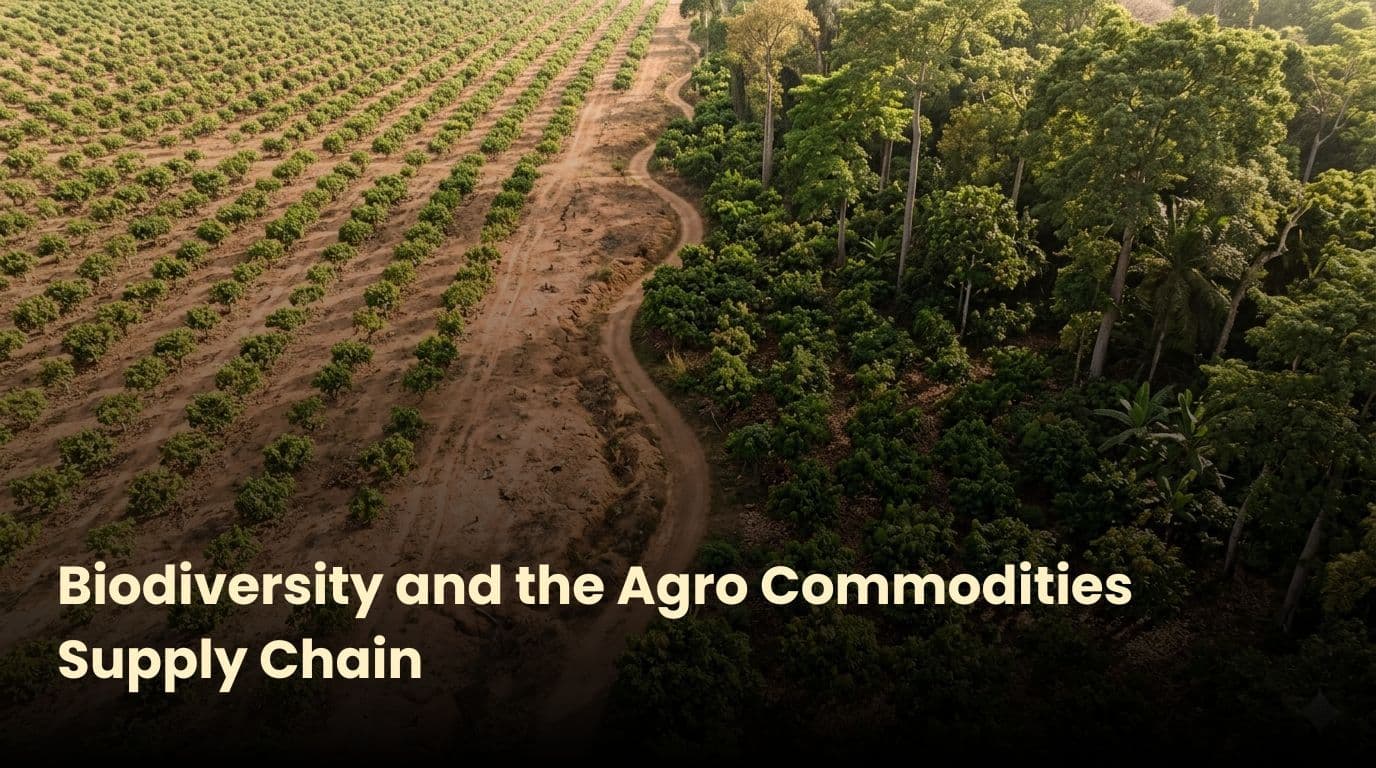
Consider the agroforestry ecosystems of West Africa’s cocoa regions. These are not monocultures; they are biodiverse, carbon sequestering systems that produce secondary crops, support local wildlife, and build soil resilience. A hectare of traditional cocoa farming integrates shade trees, food crops, and regenerative practices that lab synthesis cannot provide. For buyers and brands committed to environmental targets, biodiversity conservation, climate resilience, this is a measurable value.
The Supply Chain Story Worth Telling
The chocolate industry faces a legitimacy crisis. Consumer awareness of child labour, farmer poverty, and environmental degradation has created reputational risk for major brands and retailers. The advancement of regulatory frameworks such as the EUDR has forced a shift, responsible sourcing is no longer about corporate goodwill to market necessity.
Lab‑grown cocoa does not resolve this crisis; it risks shifting accountability away from the human and ecological relationships that created the crisis in the first place. For media and stakeholders asking difficult questions, this should be a major point for consideration.
By contrast, long‑term partnerships with natural cocoa producers, transparent pricing, multi-year agreements, investment in farmer productivity and living standards, tell a supply chain story worth defending. It is more complex, requires sustained commitment, and demands ethical discipline. But it is real, verifiable, and defensible.
The Urgent Case
For investors evaluating cocoa exposure, the choice is between short‑term margin gains from supply disruption and long‑term value preservation through supply stability and brand resilience. For international partners and clients, it is between technological convenience and economic responsibility.
Natural cocoa requires no disruption narrative. It requires recognition: as a living system, a premium product, and a social infrastructure that markets should strengthen, not dismantle. The bean’s future lies with those ready to treat cocoa not as a commodity to be replaced, but as an asset to be protected, one rooted in the land, sustained by people, and defined by integrity.
The question the industry has avoided can no longer wait. The answer must be: we, together, choose the bean.
More News
Cocoa
Rethinking the Relationship Between Biodiversity and Agro Commodities Supply
We Are Trusted And Reliable
Whether you have questions, need more information, or want to explore business opportunities, our team is here to help.