Shea’s Quiet Rise: Why West Africa’s Underrated Commodity Is Gaining Attention
SheaAugust 25, 20264 min read
Listen To Article4 min
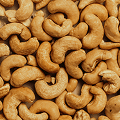
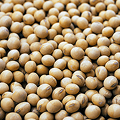
Cocoa, cashew, soya and other major agricultural products often dominate conversations about agro commodities and industrial raw materials. But in the background, another important commodity has been quietly building momentum. Shea is the quiet giant steadily making its way into mainstream agrocommodities conversations, while the world is still trying to catch up. It is not as famous as cocoa, neither does it have cashew’s long trading profile or the exchange infrastructure that supports commodities like soya. Yet shea is turning the heads of major food and cosmetics companies as it gradually works its way into their product lines as a key ingredient. This piece looks at the shea market in 2026, why demand is rising, and why West Africa is positioned at the centre of one of the region’s more compelling commodity opportunities.
What Is Shea?
Shea comes from the nut of the Vitellaria paradoxa tree, which grows naturally across Africa’s semi-arid savanna belt. This geographical peculiarity makes West Africa the world’s most important source, with major supply from Burkina Faso, Mali, Nigeria, Ghana and Côte d’Ivoire. Like cocoa, shea goes through several processing stages before it becomes commercially useful. The nuts are collected, dried, cracked, roasted or boiled, ground and kneaded until the fat is extracted and refined into shea butter or processed into shea stearin and olein. That fat has a distinctive melting profile, which makes it valuable in two major industries: First, personal care and cosmetics, where shea is common in moisturisers, hair products, lip balms, body butters and sunscreens. Brands value its texture, skin feel, and natural ingredient story. Second, food manufacturing, where shea butter and shea fractions are getting more usage in confectionery. This is increasingly important as cocoa prices remain volatile and manufacturers look for ingredients that support quality while managing cost pressure. Together, cosmetics and food have pushed shea further into the spotlight. It is no longer a niche natural ingredient, but a serious industrial commodity with consumer, sustainability and supply security relevance.
The Scale of the Opportunity
The West Africa shea butter market was valued at about USD 1.25 billion in 2025 and is projected to grow from USD 1.31 billion in 2026 to USD 3.78 billion by 2031, according to Mordor Intelligence. Growth is being driven by stronger demand from cosmetics and food manufacturers across Europe, North America and parts of Asia. In food, the cocoa supply shock of 2024 and 2025 made shea-based cocoa butter equivalents more attractive to confectionery producers. Supply remains concentrated in West Africa and depends heavily on wild collection rather than plantations. Shea trees grow naturally, take years to mature and are harvested by hand, mostly by rural women. This creates supply constraints, but also quality and traceability opportunities for buyers that can secure responsible, community-linked supply chains.
The Women's Economy That Powers the Shea Supply Chain
According to the Global Shea Alliance, around 16 million women in rural communities across Africa collect fresh shea fruits and kernels for processing. This is the shea supply chain’s most important commercial and ethical feature. Shea collection, cracking and early-stage processing are largely powered by women. For buyers and brands with gender equity commitments, this gives shea a distinct advantage: women’s economic participation is not an add-on programme, but central to how the commodity moves from origin to market. That is why responsible shea sourcing can be more than a procurement decision. Done properly, it can support rural incomes, improve supply chain visibility and strengthen sustainability claims.
What to Watch in H2 2026
Several dynamics are worth monitoring closely for anyone with existing or emerging shea market interests. The EUDR does not currently list shea among its covered commodities, but the direction of European regulation indicates that traceability and stronger due diligence are becoming standard across agricultural supply chains. Companies that build these systems early will be better prepared if expectations expand. Cocoa and confectionery price trends will also continue to shape shea demand from food manufacturers. While cocoa prices have mostly recovered, skepticism and demand destruction around cocoa products could still support appetite for cocoa butter equivalents, including premium shea fractions. The cosmetics industry is another area to watch. Premium beauty markets in Asia, especially South Korea, Japan and China, continue to create demand for natural, plant-based ingredients. That demand has not yet fully translated into shea trade volumes, but the signals are building.
More News
Sustainability
The Business Case for Sustainable Sourcing: Sustainability as a Risk-Management Measure
Shea
SFI AGRI Expands into Shea: Why Shea, and Why Now?
Cocoa
Cocoa’s Reckoning: Reading the 2026 Price Collapse and What Disciplined Operators Do Next
We Are Trusted And Reliable
Whether you have questions, need more information, or want to explore business opportunities, our team is here to help.